
At Dilro Services, we deliver professional Electrical Testing and Tagging services designed to protect your people, property, and operations, while keeping you fully compliant with AS/NZS 3760:2022 and WorkSafe regulations.
Electrical faults are a leading cause of workplace incidents. Therefore, our certified technicians conduct detailed inspections and rigorous testing on all portable appliances in your workplace. Each item is tested, tagged, and recorded, ensuring compliance, audit readiness, and effective risk management.
Electrical testing and tagging are critical for ensuring the safety and reliability of your electrical equipment. Regular testing helps identify faults before they become hazards. Without it, you risk:
Faulty or damaged appliances can expose users to live electrical currents, leading to serious injuries or fatalities.
Electrical faults are a common cause of workplace fires. Regular testing identifies potential risks, reducing fire-related dangers.
Non-compliance with Work Health and Safety (WHS) standards can result in substantial fines or legal repercussions.
Unsafe equipment can cause unexpected breakdowns or incidents, leading to downtime, costly repairs, and lost productivity.
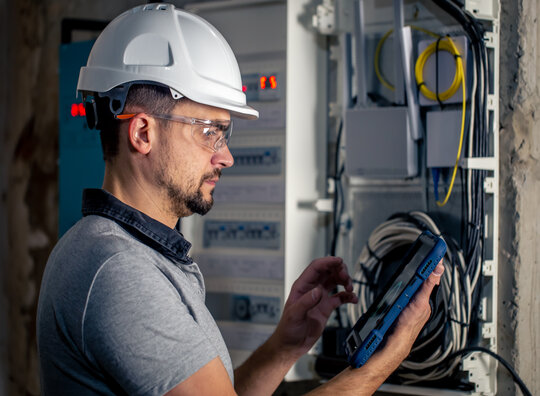
We inspect each appliance for visible damage, wear, and structural integrity.
We perform testing using calibrated instruments to assess earth continuity, insulation resistance, polarity, and other critical electrical safety parameters.
Each item is tagged with a unique ID, pass/fail status, test date, retest due date, technician ID, and a colour-coded label indicating compliance status.
We provide a detailed compliance report and asset log, stored digitally for easy reference and audit readiness.
Our team tracks your retest dates and sends reminders, so you are always up to date on compliance.
Electrical testing and tagging frequencies vary based on workplace environment, risk level, and equipment type, as mandated by AS/NZS 3760:2022 and state WorkSafe regulations. High-risk settings like construction and demolition require portable equipment testing every 3 months, while manufacturing facilities typically need 6 months. Low-risk environments, such as offices, require portable equipment testing every 12–24 months and fixed equipment up to 60 months, subject to a risk assessment. For specific requirements, consult WorkSafe Queensland, other state WorkSafe bodies, or AS/NZS 3760:2022 at Standards Australia.
With a strong commitment to safety, integrity, and professionalism, we provide Testing and Tagging solutions tailored to the specific needs of your operations. Our services minimise downtime, ensure compliance, and support a seamless workflow throughout your organisation.
At Dilro Services, we deliver professional Residual Current Device (RCD) Testing solutions to ensure your workplace remains safe, compliant, and protected against electrical hazards. Our services are fully aligned with AS/NZS 3760:2022 and WorkSafe regulations, helping you meet your legal obligations and create a safer environment for employees and visitors.
RCDs (Residual Current Devices) are life-saving safety switches designed to prevent electric shock and reduce the risk of electrical fires. However, like any safety mechanism, they need to be tested regularly to ensure they will operate effectively when needed.
RCDs monitor the flow of electricity through a circuit and quickly shut off power if a fault is detected. Without regular testing, you risk relying on a device that may not function correctly in an emergency. What is at stake:
Faulty or non-responsive RCDs can fail to trip, exposing individuals to serious electrical hazards.
Undetected faults in electrical circuits can lead to overheating, increasing the likelihood of fires.
Failure to test RCDs can result in legal penalties and breaches of WHS obligations.
An untested RCD might appear functional, but internal faults can go unnoticed without proper testing.
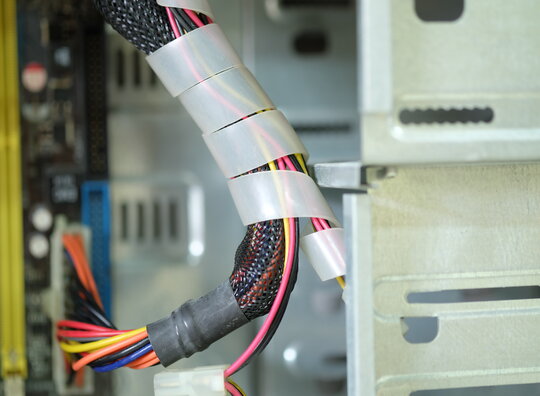
We check RCDs for physical damage, wear, and correct installation.
We conduct both push-button and trip-time (operating time) testing to ensure your RCDs respond within the correct time frame under simulated fault conditions.
Detailed reports and asset registers provide full audit readiness.
Each RCD is fitted with a durable, non-reusable tag indicating a clear pass/fail status, test date, retest due date, and tester identification
We monitor your testing schedule and send reminders when retesting is due — no missed deadlines or compliance gaps.
RCD testing frequencies vary based on workplace environment, risk level, and RCD type (portable or fixed), as mandated by AS/NZS 3760:2022 and state WorkSafe regulations. High-risk settings, such as construction and demolition sites, require full testing every 3 months, with monthly push-button tests. Offices and low-risk environments typically need portable RCDs tested every 24 months and fixed RCDs every 12–24 months, alongside 6-monthly push-button tests. For detailed standards and compliance requirements, visit WorkSafe Queensland or explore the AS/NZS 3760:2022 Standards Australia.
With a strong commitment to safety, precision, and professionalism, we deliver RCD testing solutions tailored to your business needs. Our services ensure compliance, minimise risks, and maintain operational efficiency.
At Dilro Services, we provide professional three-phase appliance Testing to ensure your heavy-duty electrical equipment is safe, compliant, and performing reliably. Our testing procedures meet all AS/NZS 3760:2022 requirements and WorkSafe regulations, helping your business minimise risk and maintain operational integrity.
Three-phase appliances are regularly used in industrial, commercial, and construction environments to power high-demand machinery and equipment. Due to their increased electrical load, they pose greater safety risks if not regularly inspected and tested.
Faults in three-phase equipment can have serious consequences, from equipment failure and power outages to life-threatening electrical incidents. Regular testing helps detect issues before they escalate and ensures your workplace stays compliant with safety regulations. What is at stake:
Faulty three-phase equipment can expose users to dangerous voltages.
Undetected faults can cause appliance failure, leading to costly repairs or replacements.
Electrical faults in high-power systems can result in overheating and potential fires.
Failure to test high-powered equipment can lead to legal liabilities, penalties, and safety breaches.
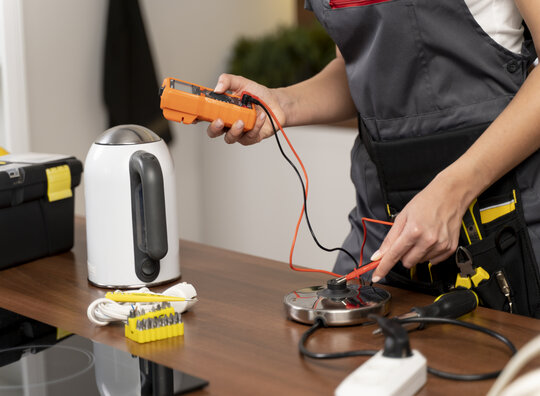
We thoroughly inspect three-phase equipment for physical wear, damage, and secure connections.
We conduct in-depth testing using calibrated equipment to verify continuity, polarity, insulation resistance, and leakage current, tailored to the requirements of three-phase systems.
We verify appliances under simulated working conditions, ensuring safe and reliable performance.
We provide detailed audit-ready reports and compliance logs for full transparency.
Each appliance is tagged with a durable, tamper-proof label indicating test status, test and retest dates, technician ID, and a colour-coded status for easy compliance tracking.
We track your testing schedule and provide timely reminders, helping you stay compliant without the hassle.
Testing frequencies for three-phase appliances vary based on workplace environment, risk level, and equipment type (portable or fixed), as mandated by AS/NZS 3760:2022 and state WorkSafe regulations. High-risk environments, such as construction sites, require portable appliances to be tested every 3 months, while manufacturing facilities typically need testing every 6 months for portable equipment and 6–12 months for fixed equipment. Low-risk settings, like offices, require testing every 12 months for portable appliances or up to 24 months for fixed, low-use equipment, subject to a risk assessment. For specific requirements, consult WorkSafe Queensland, other state WorkSafe bodies, or AS/NZS 3760:2022 at Standards Australia.
We combine technical expertise with a strong safety-first culture to deliver trusted Three-Phase Testing solutions. Whether you are operating a warehouse, workshop, or large industrial site, we tailor our services to meet your specific compliance and operational needs.
At Dilro Services, we provide professional fire extinguisher testing to ensure your fire extinguishers are fully functional, compliant, and ready to protect lives and property. Our testing procedures adhere to AS 1851:2012 and AS 2444:2001 standards and align with WorkSafe and state fire safety regulations.
Fire extinguishers, including water (Class A), foam (Class A, B), CO2 (Class B, E), dry powder (Class A, B, C, E), wet chemical (Class F, A), and specialised types like Class D (metal fires), are critical in commercial, industrial, and residential settings to combat specific fire risks. Regular testing ensures these extinguishers perform effectively in emergencies, reducing the risk of fire-related injuries, property damage, and non-compliance.
Fire extinguishers are a critical first line of defence in any fire emergency — but only if they work when it counts. Regular testing ensures your extinguishers are operational, compliant, and ready to protect lives and property. What is at stake:
A malfunctioning extinguisher can delay or prevent effective fire suppression, putting occupants at serious risk.
Inoperative or under performing extinguishers can allow fires to spread unchecked, resulting in costly damage or total loss.
Regular fire equipment checks reinforce a proactive safety culture, reassuring employees and visitors that your workplace prioritises their wellbeing.
Failing to meet inspection and testing requirements can result in significant fines, legal liabilities, and WHS breaches.

We conduct thorough checks of all extinguisher types for physical damage, accessibility, correct placement, and compliant signage, per AS 1851:2012 and AS 2444:2001.
Our certified technicians perform pressure checks, operational assessments, and periodic discharge tests tailored to each extinguisher type, including 5-yearly pressure vessel testing for water, foam, and dry powder extinguishers.
We service and repair extinguishers, replacing faulty components like nozzles, seals, or pressure gauges to restore full functionality.
We provide detailed, audit-ready reports and digital logs for transparency and easy compliance tracking.
Each extinguisher is tagged with a durable, securely attached maintenance tag indicating the date of service, due date for next service, type of service performed, and technician identification.
We manage your testing schedule and send timely reminders to keep your fire extinguishers compliant and operational.
Fire extinguishers must be inspected every 6 months and checked annually for components like agent condition and hose integrity. Staff should perform monthly visual checks for accessibility and condition. Pressure testing is required every 5 years for water, foam, dry powder, and wet chemical extinguishers, every 10 years for CO2 extinguishers, and per manufacturer guidelines for specialised extinguishers (e.g., Class D for metal fires). For details, see AS/NZS 1851:2012 at https://store.standards.org.au.
At Dilro Services, we combine technical expertise with a safety-first approach to deliver trusted fire extinguisher testing for all types. Whether you operate a small office, retail space, or large industrial facility, we tailor our services to meet your unique compliance and safety needs.

Contact Us Today for a Free Consultation!
At Dilro, we offer more than just electrical testing and tagging, we deliver confidence in safety and compliance. Contact us today for a tailored plan to ensure a safe and professional workplace.


